
 16 July 2026
 Share
Share
1
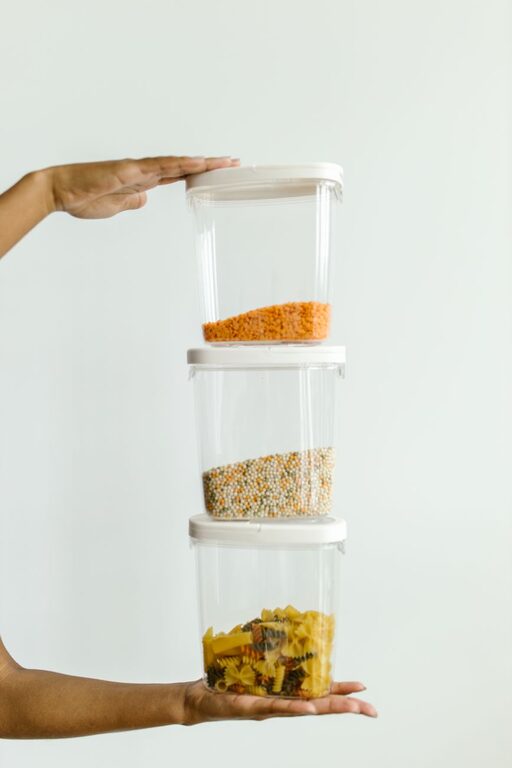
Planning meals from pantry staples is a wonderful way to save time, reduce food waste, and avoid last-minute trips to the grocery store. Whether you’re trying to stretch your budget or just want to simplify mealtime, using the ingredients you already have on hand can help you create tasty, nourishing dishes with ease. In this post, we’ll explore practical steps and tips for planning meals from your pantry staples, along with easy recipes and ideas to get you started.
Pantry staples are non-perishable or long-lasting ingredients that can be stored in your kitchen for months. These include items like rice, pasta, canned beans, canned tomatoes, spices, flour, and dried herbs. By planning meals around these essentials, you can:
– Save money by using what you already have.
– Avoid the stress of last-minute shopping.
– Reduce food waste by using items before they expire.
– Create versatile meals that suit any taste or dietary need.
The first step in planning meals from pantry staples is to know what you have. Set aside time to carefully check your pantry shelves. Make a list of:
– Grains and starches (rice, pasta, quinoa, oats)
– Canned goods (beans, chickpeas, tomatoes, vegetables, tuna)
– Baking essentials (flour, sugar, baking powder)
– Oils and condiments (olive oil, vinegar, soy sauce, mustard)
– Spices and seasonings (salt, pepper, garlic powder, herbs)
– Nuts, seeds, dried fruits
Keeping an up-to-date inventory will help you avoid buying duplicates and inspire meal ideas based on what’s available.
There are several ways to plan meals from pantry staples depending on the time and tools you prefer:
Create a plan for the week by choosing recipes that use your pantry ingredients. This gives structure and helps with grocery shopping for fresh produce or proteins.
Pick one or two pantry-based recipes you want to try and build your meals around those, adding fresh items as needed.
Keep a list of pantry-based meals and mix and match ingredients as you go, depending on your cravings and availability.
With your inventory and planning style ready, find or create recipes that highlight your staples. Here are some easy ideas:
Ingredients: Rice, canned black beans, canned corn, salsa, spices.
Cook the rice and warm the beans with corn and your favorite spices. Serve with salsa or a dollop of yogurt for a filling meal.
Ingredients: Pasta, canned tomatoes, garlic powder, olive oil, dried herbs.
Make a simple tomato sauce by simmering canned tomatoes with garlic powder, olive oil, and herbs. Toss with cooked pasta for a classic dinner.
Ingredients: Canned chickpeas, canned tomatoes, coconut milk (or substitute), curry powder.
Combine chickpeas, tomatoes, and spices to create a flavorful curry. Serve with rice or flatbread.
Ingredients: Lentils, canned vegetables, broth cubes or powder, spices.
Simmer lentils with canned veggies and broth until tender. Season well for a comforting soup.
Ingredients: Canned tuna, mayonnaise or yogurt, mustard, canned corn or beans, wraps or bread.
Mix tuna with mayo and mustard, add veggies, and wrap it up for a quick lunch.
While pantry staples form the base of your meals, fresh or frozen ingredients add nutrition and variety. Consider adding:
– Fresh vegetables (onions, garlic, carrots, spinach)
– Fresh herbs (cilantro, parsley, basil)
– Proteins (eggs, cheese, meat, tofu)
– Fruits as snacks or dessert
An organized pantry makes meal planning easier. Group similar items together:
– Grains in one section
– Canned goods in another
– Spices in jars or labeled containers
– Baking ingredients on a separate shelf
Use clear containers or labels for quick identification.
– Rotate items to use older products first.
– Keep basic spices stocked to enhance flavors.
– Experiment with ingredient swaps based on availability.
– Use meal planning apps or print templates to track meals.
– Batch cook and freeze meals for busy days.
Planning meals from pantry staples can be both simple and rewarding. By knowing what’s in your pantry, choosing versatile recipes, and supplementing with fresh ingredients, you’ll always have a delicious meal ready to go. Start today by taking stock of your pantry and trying a recipe that excites you. Happy cooking!
